written by

Subscribe to our monthly water newsletter
We might send you an email if we have something news worthy, written by our water professionals
1. Why Aerobic Bacteria Thrive in Greenhouses
Greenhouses offer near-ideal conditions for aerobic bacteria because:
Air circulation and ventilation supply constant oxygen
High humidity and warmth stimulate microbial growth
Irrigation systems create biofilms
Organic matter from soil, fertilizers, and root exudates enriches the environment
As a result, both beneficial and potentially harmful bacteria coexist in soil, hydroponic solutions, surfaces, and irrigation lines.
2. Beneficial Aerobic Bacteria in Greenhouse Environments
2.1. Pseudomonas species (beneficial strains)
Many Pseudomonas species colonize the rhizosphere (root zone) and promote plant growth.
Functions:
Improve nutrient uptake
Produce antibiotics that suppress pathogens
Enhance root development
Reduce disease pressure in tomato, cucumber, and ornamental crops
Common beneficial species:
Pseudomonas fluorescens
Pseudomonas putida
Pseudomonas chlororaphis
2.2. Bacillus species (aerobic spore-formers)
These bacteria are extremely common in greenhouse soils and substrates.
Benefits:
Produce enzymes that break down organic matter
Enhance nutrient availability
Form spores that survive long periods of dryness
Suppress fungal pathogens such as Fusarium, Rhizoctonia, and Pythium
Important species:
Bacillus subtilis
Bacillus amyloliquefaciens
Bacillus licheniformis
Bacillus-based biofungicides are widely used in greenhouse production.
2.3. Nitrosomonas and Nitrobacter (nitrifying bacteria)
Aerobic nitrifiers play a key role in greenhouses, especially hydroponic and aquaponic systems.
Nitrosomonas: Converts ammonia → nitrite
Nitrobacter: Converts nitrite → nitrate
These conversions maintain stable nutrient solutions and prevent toxic ammonia buildup.
They are strictly aerobic and thrive in oxygenated water and porous substrates.
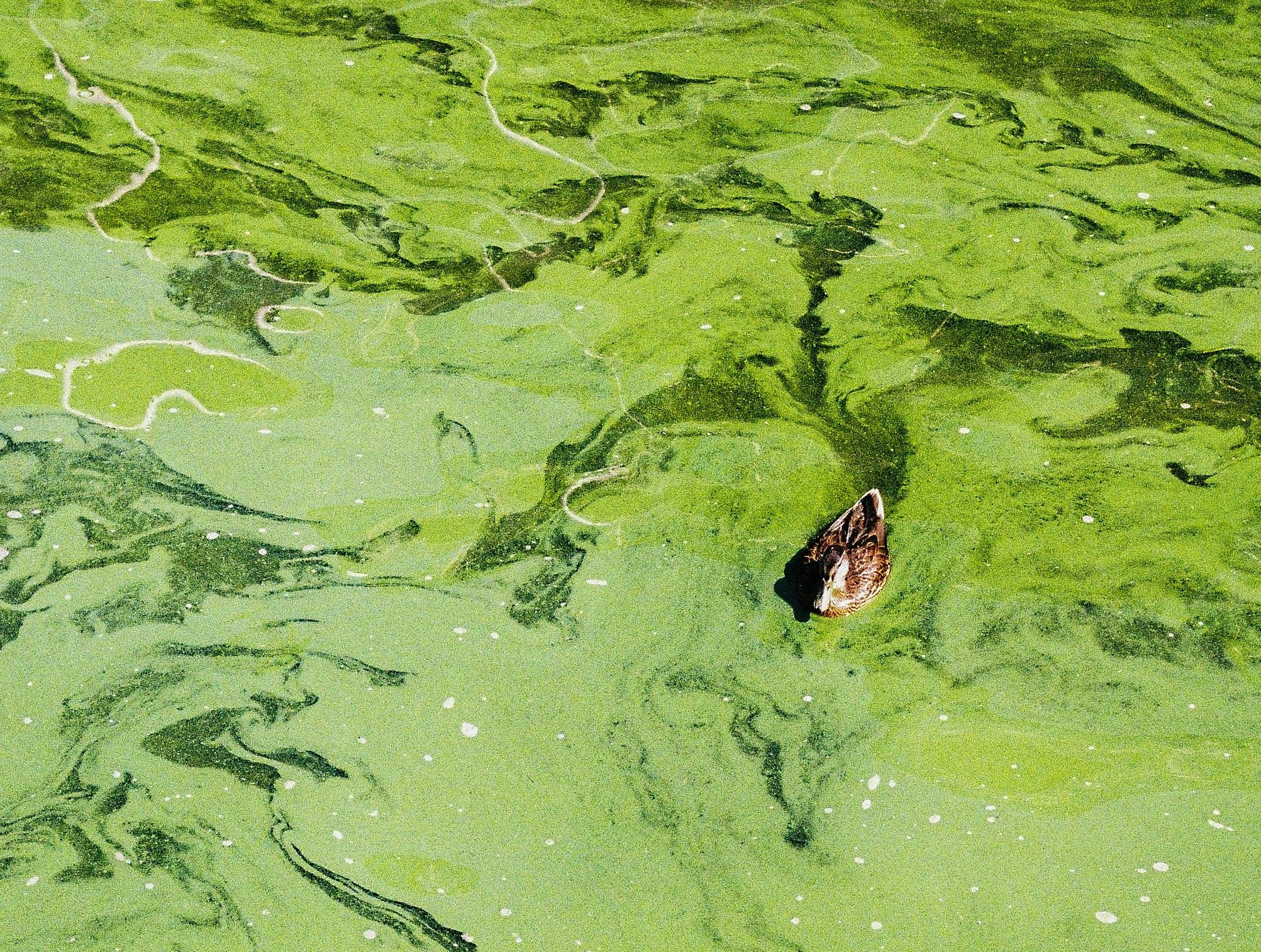
2.4. Cyanobacteria (blue-green algae)
While technically not true bacteria in the classic sense, cyanobacteria are oxygen-producing, photosynthetic prokaryotes.
Common in:
Nutrient films
Irrigation channels
Rockwool and coco coir surfaces under light exposure
Species such as Anabaena and Oscillatoria often appear as green or blue-green biofilms.
In moderation they are harmless, but excessive growth can clog irrigation lines.
3. Neutral or Opportunistic Aerobic Bacteria
These bacteria do not normally harm plants but can become problematic under poor sanitation.
3.1. Sphingomonas
Often forms yellowish biofilms in water tanks, misting nozzles, and plastic tubing.
Can cause cloudy nutrient solutions.
Rarely harmful, but persistent.
3.2. Flavobacterium
Associated with organic buildup in water systems.
Usually harmless to plants, but indicates poor water hygiene.
3.3. Acinetobacter
Common in moist substrates, benches, and water reservoirs.
Forms resilient biofilms and competes with beneficial microbes.
4. Aerobic Plant-Pathogenic Bacteria Found in Greenhouses
Some aerobic bacteria can cause serious plant diseases if they become established.
4.1. Pseudomonas syringae
A major greenhouse pathogen affecting:
Tomato
Pepper
Ornamental species
Causes:
Leaf spots
Blights
Systemic infections
Requires oxygen-rich leaf surfaces and spreads via water splash.
4.2. Xanthomonas species
Strictly aerobic bacteria responsible for:
Leaf spot
Black rot (in crucifers)
Bacterial blight in ornamentals and peppers
Thrives in warm, humid greenhouse climates.
4.3. Agrobacterium tumefaciens
Aerobic soil bacterium that causes crown gall.
Spreads through contaminated tools, pots, and soil mixes.
4.4. Ralstonia solanacearum (oxygen-tolerant)
Although sometimes labeled “facultative,” it behaves as an aerobic pathogen in greenhouses.
Causes bacterial wilt in tomatoes, peppers, and ornamentals.
Highly destructive.
5. Aerobic Bacteria in Irrigation Water and Biofilms
Greenhouses use complex irrigation systems, and aerobic bacteria often colonize:
Drip emitters
Misting systems
Storage tanks
Nutrient film technique (NFT) channels
Hydroponic reservoirs
Typical species:
Pseudomonas spp.
Sphingomonas
Flavobacterium
Legionella (in warm stagnant sections; important for human safety)
Mycobacterium spp. (slow-growing, persistent)
These organisms form biofilms that protect pathogens and reduce water flow.
6. Managing Aerobic Bacteria in Greenhouses
For beneficial species:
✔ Encourage with compost teas, microbial inoculants
✔ Maintain oxygen-rich soils and hydroponic solutions
✔ Use organic matter and biological fertilizers
To suppress harmful or excessive growth:
Improve sanitation of surfaces and tools
Keep irrigation lines clean
Ensure good air circulation
Avoid excessive humidity
Treat water with UV, ozone, filters or nanobubbles
Avoid standing water where biofilms form
Biological balance—rather than sterilization—is the goal.
Conclusion
Aerobic bacteria are an essential component of greenhouse ecology. Beneficial species promote plant growth and nutrient cycling, while others can form nuisance biofilms or cause disease. By understanding the types of aerobic bacteria present—Pseudomonas, Bacillus, Sphingomonas, Nitrosomonas, Xanthomonas, and more—growers can better manage microbial communities for healthier, more productive plants.