Subscribe to our monthly water newsletter
We might send you an email if we have something news worthy, written by our water professionals
1. Enhancing Biological Treatment Efficiency
Most municipal and industrial plants rely on activated sludge systems. The core of this process is aerobic bacteria that degrade organic pollutants.
The Limitation of Traditional Aeration
Conventional aeration uses coarse or fine bubble diffusers:
Large bubbles rise quickly
Oxygen transfer efficiency (OTE) is limited
Significant energy is wasted
Dead zones form in tanks
Aeration can represent 40–70% of total WWTP energy consumption. If you are interested in learning more, check out our gas transfer efficiency article here.
How Nanobubbles Improve It
Nanobubbles (typically <200 nm) behave differently:
Neutral buoyancy (they do not rise quickly)
Extremely high surface area
Long residence time
Enhanced mass transfer
This results in:
Higher dissolved oxygen (DO) stability
Improved oxygen utilization by bacteria
Reduced energy per kg BOD removed
Better performance at high loading peaks
Nanobubbles increase oxygen transfer efficiency while reducing aeration energy demand.
2. Increasing Dissolved Oxygen Stability
In conventional systems, DO fluctuates heavily:
Peak aeration → oversaturation
Low load periods → oxygen drop
Biofilm areas → oxygen depletion
Nanobubbles act as a distributed oxygen reservoir. Because of their size and surface properties, they:
Dissolve gradually
Maintain uniform DO distribution
Reduce anaerobic microzones
This improves:
Nitrification rates
Ammonia removal
Process control stability
For plants struggling with nitrification failures, this is a critical advantage.
3. Improving Sludge Settling and Reducing Bulking
Filamentous bacteria thrive in low oxygen microzones and cause sludge bulking.
By:
Eliminating oxygen dead zones
Increasing oxidative potential
Nanobubbles help:
Reduce filament dominance
Improve sludge compaction
Increase secondary clarifier performance
Better settling means:
Lower sludge volume index (SVI)
Reduced return sludge load
More stable effluent quality
4. Odor Control and Sulfide Reduction
Odors in WWTPs are typically caused by:
Hydrogen sulfide (H₂S)
Anaerobic digestion in pipelines or tanks
Oxygen nanobubbles prevent anaerobic conditions by maintaining positive ORP.
When using ozone nanobubbles:
Sulfides are oxidized directly
Odor-causing compounds are neutralized
Biofilm in pipelines is reduced
This is especially valuable in:
Pumping stations
Equalization tanks
Industrial wastewater with high COD
5. Reducing Chemical Dependency
Many plants use chemicals for:
Phosphorus precipitation
Odor control
Biofilm removal
Shock disinfection
Ozone nanobubbles provide controlled oxidative treatment without:
Large chemical storage
Transport risks
High residual toxicity
Because nanobubbles collapse and generate localized reactive oxygen species, they create strong oxidation effects while limiting bulk chemical exposure.
Strategically, this reduces:
Chemical cost
Storage risk
Operator exposure
Environmental footprint
6. Biofilm Control in Pipelines and MBR Systems
Membrane bioreactors (MBR) and pipelines often suffer from:
Fouling
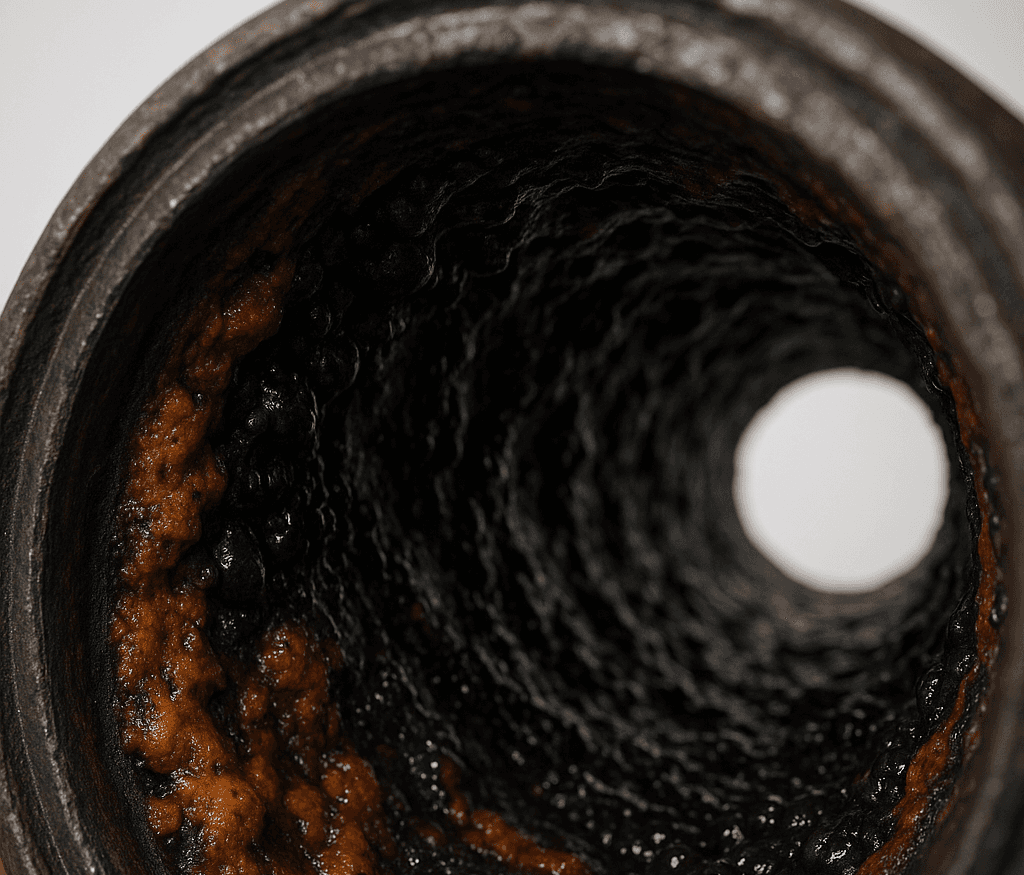
Biofilm buildup
Reduced permeability
Nanobubbles:
Penetrate biofilm structure
Generate micro-scale oxidative stress (with ozone)
Improve membrane cleaning efficiency
This extends membrane life and reduces cleaning frequency.
7. Supporting Tertiary Treatment & Water Reuse
With increasing pressure for water reuse, WWTPs must achieve:
Low pathogen count
Low turbidity
Stable microbiological quality
Ozone nanobubbles provide:
High oxidation efficiency
Reduced pathogen load
Enhanced micropollutant degradation
Compared to traditional ozone injection, nanobubbles:
Increase gas dissolution
Reduce off-gas loss
Improve safety
Increase oxidation yield per gram ozone
8. Energy Optimization Opportunity
From a strategic business perspective:
Wastewater plants are energy-intensive assets. Municipalities are under pressure to reduce:
Energy consumption
CO₂ emissions
Operational expenditure (OPEX)
Nanobubble systems can:
Reduce blower size requirements
Improve oxygen transfer
Lower aeration runtime
Reduce sludge handling costs
This creates a clear ROI narrative.
For Waboost positioning:
Nanobubbles are not an add-on. They are an efficiency multiplier.
Where Nanobubbles Fit in the Process
Typical integration points:
Equalization tank (odor prevention)
Aeration basin (biological optimization)
Secondary clarifier return line
MBR feed line
Tertiary polishing stage
The system can operate:
Continuously
Load-based (via DO/ORP control)
Integrated with SCADA systems