All Articles
Explore chemical-free and enhanced disinfection methods powered by nanobubbles for safer and cleaner water treatment.
Aquaculture
Disinfection
David Rakar
·
Director Of Business Development
Recirculating aquaculture systems (RAS) have a paradoxical relationship with biofilm: the biofilter — the component that makes water reuse possible at all — depends entirely on a healthy, thick biofilm layer to convert fish waste into less toxic compounds. Everywhere else in the system — tank walls, pipework, UV units, sumps — that same biofilm is a liability, driving off-flavor, pathogen risk and equipment fouling. Managing biofilm in RAS isn't about eliminating it; it's about being deliberate over where you want it and where you don't.
Read More
Dissolved Ozone
Bostjan Veronik
Founder & CEO
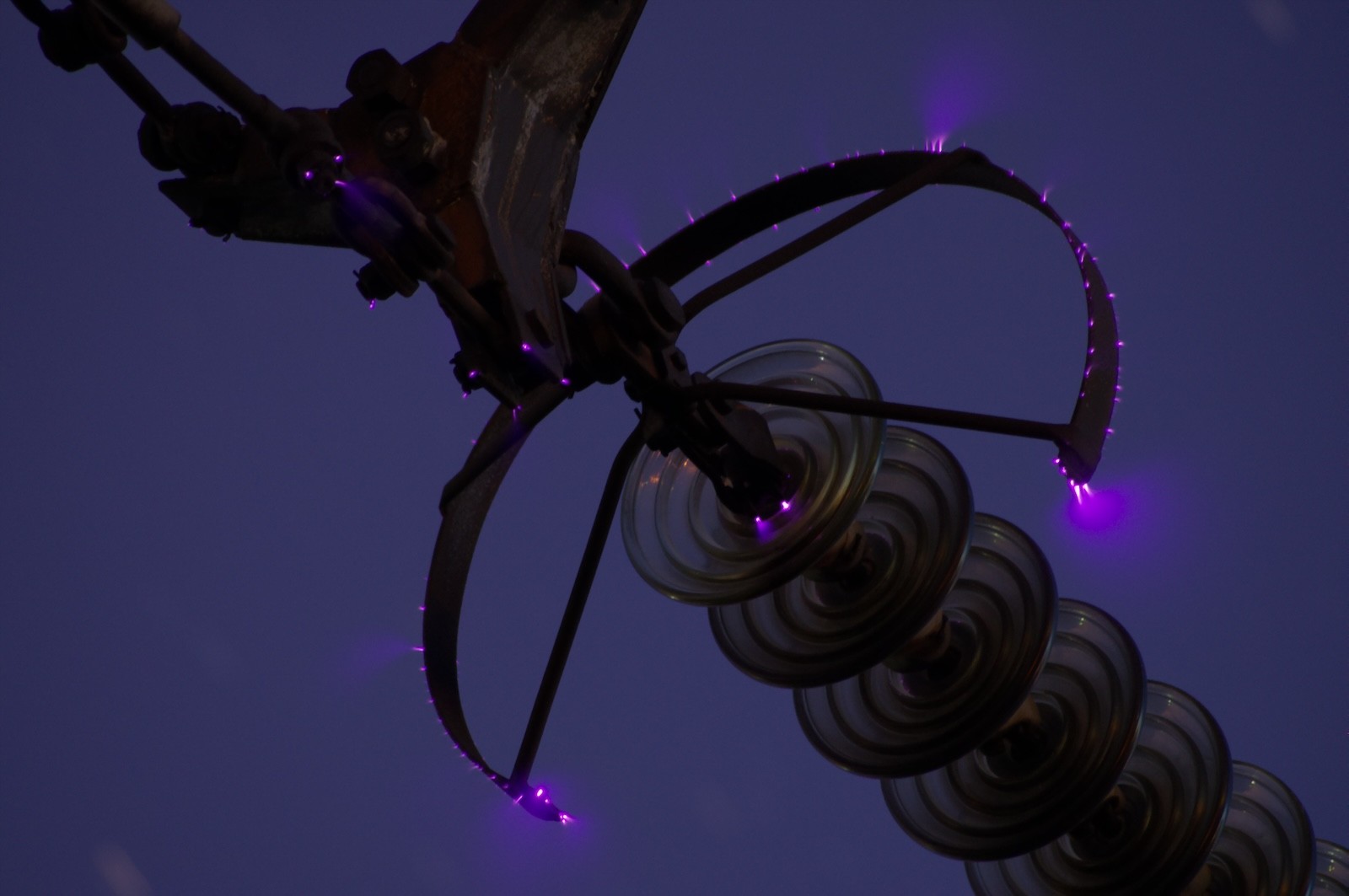
Ozone (O₃) is a powerful oxidizing molecule widely used for water purification, air disinfection, odor removal, and industrial processes. Producing ozone in a controlled way requires specialized equipment, and one of the most common methods is corona discharge.
Sensors
Dissolved ozone sensors are specialized instruments designed to measure the concentration of ozone (O₃) in water. Ozone is a strong oxidant widely used in water treatment, aquaculture, food processing, and industrial applications to disinfect water, remove contaminants, and improve water quality. Accurate measurement of dissolved ozone is critical to ensure both effectiveness and safety, because ozone can be harmful at high concentrations.
Oxidation
When discussing water quality, terms like pH, TDS, and dissolved oxygen (DO) are common. However, one of the most important but least understood parameters is ORP – Oxidation-Reduction Potential.
ORP is a direct indicator of how biologically and chemically active water is, especially in terms of microbial control, sanitation efficiency, and oxidative capacity.
Water Storage
Anze Borinc
Product Manager
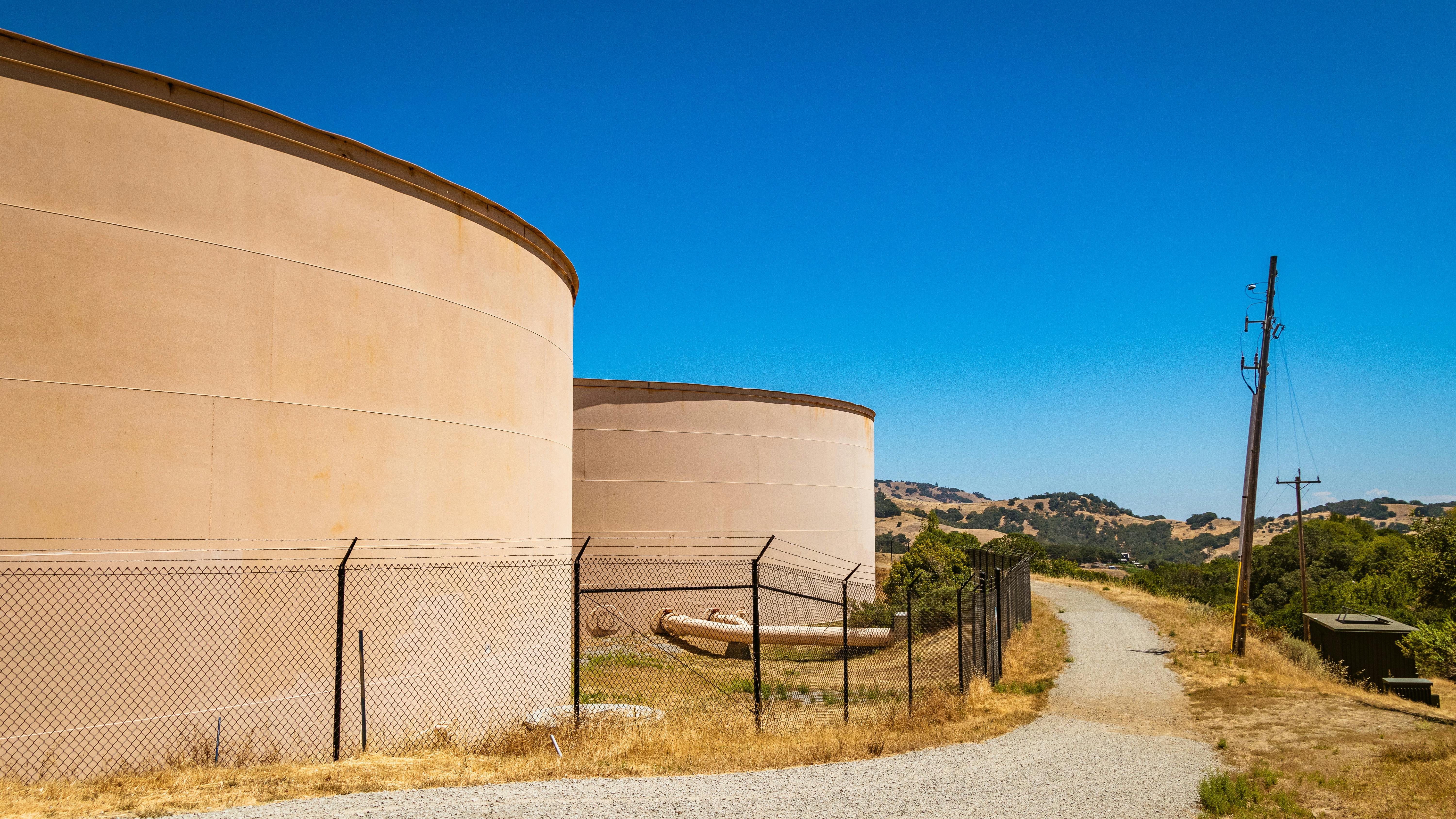
Clean water storage is essential for households, commercial facilities, and industrial operations. Over time, however, water tanks and reservoirs can become breeding grounds for harmful bacteria, biofilms, and algae. Regular disinfection is therefore critical to ensure water quality and protect public health.
Biofilm
Biofilm — a sticky, resilient layer of microorganisms bound in a self-produced matrix — is one of the most persistent maintenance problems in water systems: it fouls tank walls and pipework in aquaculture, clogs irrigation emitters, coats membranes in wastewater treatment, and builds up on food-processing equipment. It's also common elsewhere, from medical devices to household surfaces, but this guide focuses on the water and industrial context, comparing the current removal methods and where each one falls short.
Revolutionizing Water Quality with Smart Ultrafine Bubble Solutions
Connect on LinkedIn
+386 31 382 434
Central European Business Hours
bubbles@waboost.com
Tehnološki park 19, 1000 Ljubljana, Slovenia
© 2025 by Waboost
Industries
Animal Husbandry
Poultry Farming
Food & Beverage
Agriculture
Lakes & Ponds
Waste Water
Sports Turf
Technology
What Are Ultrafine Bubbles
Research & Development
Resources
Case Studies
Blog
About Waboost
Become a Distributor
Support
Careers
Products
Generators
Water Sensors
Cloud App
Legal
Privacy Policy
Terms & Conditions